Dry, gritty, burning, watery or permanently tired-feeling eyes? If that sounds familiar, you’re far from alone. Dry eye is extremely common, but that doesn’t mean you simply have to put up with it.
At Farmilo Optometrist, our approach is different.
Rather than automatically recommending another bottle of eye drops, we start by trying to understand why your eyes are dry.
Using advanced diagnostic technology, including meibography with our Topcon MYAH, we can examine your meibomian glands and assess your eyes before recommending an individual treatment plan.
Our aim is simple:
Find the cause. Treat the cause. Monitor the response.
Dry eye isn’t one single problem. There are several possible causes, and many people have more than one contributing factor.
Along the edges of your eyelids are tiny glands called meibomian glands. They produce the oily layer of your tears, which helps prevent your tears from evaporating too quickly.
When these glands become blocked or don’t function properly, the quality of the tear film can deteriorate and tears can evaporate more rapidly.
This is known as Meibomian Gland Dysfunction, or MGD, and it is an important cause of evaporative dry eye.
Blepharitis is inflammation around the eyelid margins. Debris, bacteria and, in some people, Demodex mites can contribute to ongoing eyelid inflammation. Keeping the eyelid margins clean can therefore form an important part of managing certain types of dry eye and blepharitis.
When concentrating on computers, phones and tablets, we tend to blink less frequently and may blink less completely. This means the tear film isn’t refreshed as effectively and can contribute to dryness, fluctuating vision and tired-feeling eyes.
Air conditioning, central heating, wind, low humidity and other environmental factors can increase tear evaporation and aggravate dry eye symptoms.
Hormonal changes, particularly around and after menopause, can affect the tear film and meibomian glands.
Certain medications can contribute to dry eye symptoms. These can include some antihistamines, antidepressants and other medicines.
If medication may be contributing to your symptoms, we’ll discuss this with you. You shouldn’t stop prescribed medication without speaking to the clinician who prescribed it.
Contact lenses interact directly with the tear film. Some people therefore experience dryness or discomfort, particularly towards the end of the day or after prolonged lens wear.
The quantity and composition of our tears can change as we get older, making dry eye more common with age.
Dry eye doesn’t always feel simply “dry.” Symptoms can include:
Interestingly, watery eyes can sometimes be a symptom of dry eye.
An unstable or irritated ocular surface can trigger reflex tearing, even though the underlying tear film isn’t functioning as effectively as it should.
Before deciding how to treat your dry eye, we need to understand what’s contributing to it. Your symptoms are important, but they only tell us part of the story. That’s why our Dry Eye Clinic combines your symptoms with clinical examination and objective measurements.

One of the most useful tools in our Dry Eye Clinic is meibography. Our Topcon MYAH allows us to image the meibomian glands inside your eyelids. Instead of simply assuming that your glands are blocked, we can actually examine their structure.
This can help us identify changes such as gland shortening or dropout and understand whether Meibomian Gland Dysfunction is contributing to your symptoms.
Most importantly, we can show you the images. You can see what we’re seeing and understand why we’re recommending a particular treatment.
Your treatment starts with understanding the problem.
There isn’t one dry eye treatment that’s right for everybody. Your treatment plan depends on what we find during your assessment. For some patients, relatively simple changes may be appropriate. Others may benefit from more advanced in-clinic treatment.
Our treatments include professional eyelid hygiene, management of Meibomian Gland Dysfunction, Intense Pulsed Light and Low-Level Light Therapy.
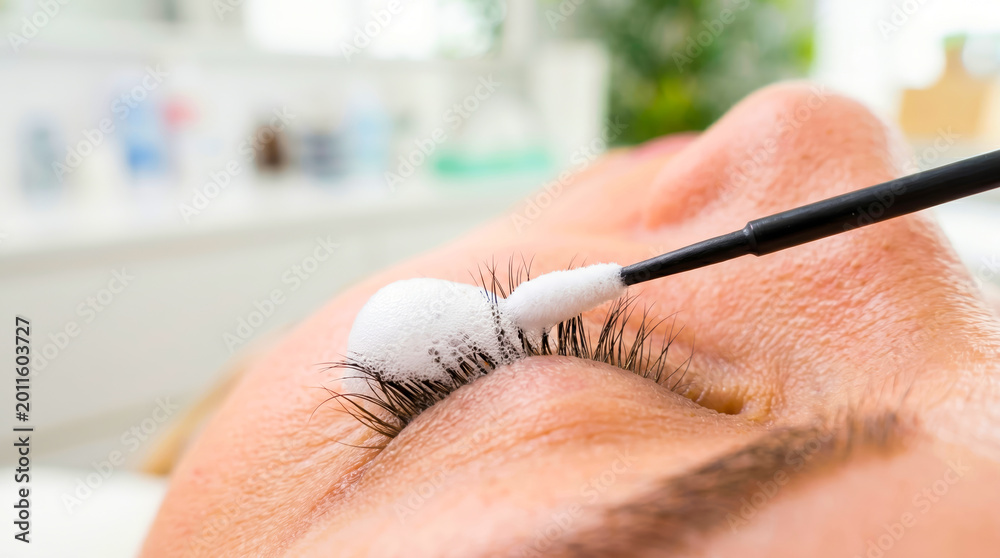
Blepharitis and debris around the eyelid margins can contribute to irritation and poor tear-film quality. BlephEx is an in-clinic micro-exfoliation treatment designed to thoroughly clean the eyelid margins and lashes.
A specialised rotating tip is used to remove accumulated debris and biofilm from around the lashes and eyelid margins. For appropriate patients, professional eyelid cleaning can form part of a wider treatment plan alongside ongoing home lid hygiene.
We also offer ZEST as another professional eyelid-cleansing option.
ZEST is designed to cleanse the eyelid margins and lashes, helping remove accumulated debris as part of the management of appropriate eyelid conditions.
We’ll determine whether professional eyelid cleaning is appropriate following your assessment.
ThermaEye Intense Pulsed Light
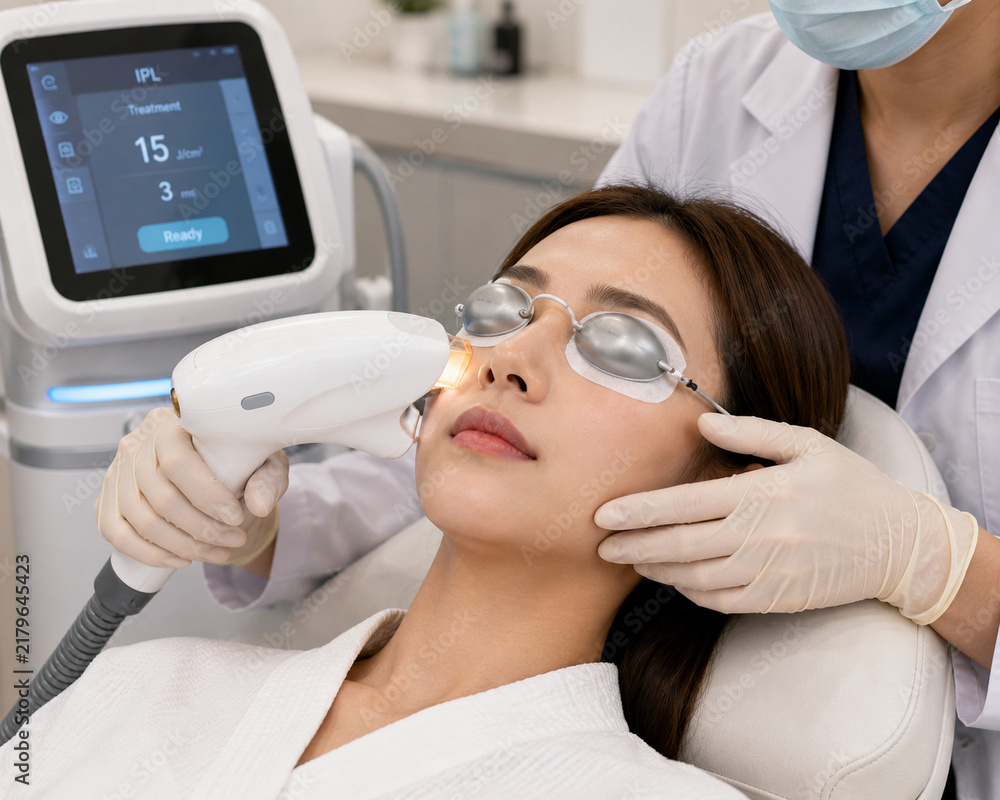
For suitable patients with Meibomian Gland Dysfunction, we offer ThermaEye IPL. IPL stands for Intense Pulsed Light. Controlled pulses of light are applied to the treatment area around the eyes according to an appropriate clinical protocol.
IPL has been studied as a treatment for dry eye associated with Meibomian Gland Dysfunction and may help improve meibomian gland function and reduce inflammatory processes associated with the condition.
IPL isn’t appropriate for everybody.
Your skin type, eye health, medications and other factors need to be considered before treatment, which is another reason why we begin with a proper Dry Eye Assessment.

We also offer Low-Level Light Therapy (LLLT) as part of our Dry Eye Clinic.
LLLT uses controlled light therapy around the eyelids and may be used as part of the management of Meibomian Gland Dysfunction and associated inflammation.
For suitable patients, LLLT can be combined with IPL as part of a structured treatment programme.
4 Treatment Sessions
Where your assessment indicates that IPL and LLLT are appropriate, we generally recommend a structured initial treatment course. Your initial programme consists of:
Dry eye is often a chronic condition, so some patients may benefit from ongoing management or maintenance treatment following their initial course.
We’ll discuss this with you based on your individual response rather than assuming everybody requires exactly the same long-term treatment.
IPL + LLLT
Per treatment session
Full initial course of 4 sessions
A Dry Eye Assessment is required before beginning IPL/LLLT treatment. This allows us to determine what’s contributing to your symptoms and whether IPL/LLLT is an appropriate treatment for your eyes. We’ll explain any additional treatment costs before you decide whether to proceed.
Eye drops can be extremely useful. For many patients, artificial tears and other topical treatments form an important part of dry eye management. But simply trying bottle after bottle without understanding what’s causing the problem can be frustrating.
If your dry eye is being driven primarily by Meibomian Gland Dysfunction, blepharitis or another identifiable factor, addressing that underlying problem may form an important part of your treatment.
That’s why our approach begins with diagnosis rather than simply recommending another lubricant.
Understand what's causing the problem first. Then treat appropriately.
Following your assessment, your individual management plan might include a combination of:
You may not need all of these. The point of the assessment is to determine which ones are appropriate for your eyes.
We investigate your symptoms and examine your ocular surface and eyelids.
Our Topcon MYAH allows us to image your meibomian glands using meibography.
We’ll show you what we’ve found and explain what’s likely to be contributing to your symptoms.
We’ll create an individual management plan rather than automatically giving everybody the same treatment.
We’ll review your symptoms and clinical findings and adjust your management where necessary.
It sounds contradictory, but dry eye can sometimes cause excessive watering.
Irritation or instability of the ocular surface can trigger reflex tearing. The eyes may therefore water even though the underlying tear film isn’t functioning effectively.
Meibomian Gland Dysfunction occurs when the oil-producing glands in your eyelids don’t function normally. This can reduce the quality of the oily layer of your tears and allow them to evaporate more quickly.
Yes. Using meibography with our Topcon MYAH, we can produce images of the meibomian glands within your eyelids. We’ll show you the images during your assessment and explain what we’re looking at.
Dry eye is often a chronic, multifactorial condition, so we don’t describe IPL as a cure. For appropriately selected patients, IPL can form part of an effective management programme for Meibomian Gland Dysfunction. Results vary between individuals and ongoing management may still be required.
Most patients tolerate IPL well, although you may notice warmth or a brief snapping sensation during the light pulses. We’ll explain the procedure and appropriate precautions before treatment begins.
Our initial IPL + LLLT programme consists of four sessions, generally around one week apart. After completing the initial course, we’ll review your response and discuss whether any further or maintenance treatment is appropriate.
If your eyes regularly feel dry, gritty, watery, burning, tired or uncomfortable, the first step is finding out why.
At Farmilo Optometrist, our Dry Eye Clinic combines detailed assessment, Topcon MYAH meibography, professional eyelid treatments and advanced therapies including ThermaEye IPL and Low-Level Light Therapy.
We don’t simply want to know that your eyes are uncomfortable.
We want to understand why.
Experience cutting-edge IPL and LLLT treatments for unparalleled eye health and comfort.
Farmilo Optometrist — Leicester